
Create your financial roadmap and optimize your wealth management. Tailored strategies for high-earning families and landowners in South Georgia help secure your future.
Key Moments

Money touches almost every part of your life, from feeding your family and keeping the lights on to whether you can step back from the farm or the business when your body says it is time. A financial roadmap gives all of that a clear, written structure so you are not guessing your way through the “messy middle” years.
What Is A Financial Roadmap?
A financial roadmap is a coordinated plan that connects where you are today with where you want to be in the next 10 or more years, using the resources you already have and the ones you expect to build. It pulls together:
Your income and cash flow
Bank accounts, investment and retirement accounts
Land, timber, farm or business equity, and other illiquid assets
Debts, taxes, insurance, and estate documents
Instead of looking at each piece in isolation, your roadmap shows how they work together to support your family, your faith, and your community.
Financial Security Vs. Financial Safety
People often use these terms interchangeably, but they are different.
Financial safety is your ability to handle shocks. For example, having an emergency fund, the right insurance, and manageable debt. Safety answers the question, “Can we handle a setback without everything falling apart.”
Financial security is your ability to sustain your lifestyle and goals across your whole life. Security answers questions like, “Can we retire on our terms,” “Can we pass land or a business to our kids without creating conflict,” and “Can we fund college without jeopardizing our future.”
Your financial roadmap should build both. Safety keeps you from being knocked off course. Security keeps you moving toward what matters most.
Why A Financial Roadmap Matters For Evolving Lifestyles
If you are a high earning family, a land rich agricultural family, or a small business owner, your life rarely fits into a simple template. Income can be uneven, assets can be tied up in land or a company, and your responsibilities grow faster than your free time.
A comprehensive roadmap helps you:
Make confident decisions, since you can see how each choice affects retirement, college, debt, and giving.
Consolidate scattered assets into a clearer structure, so accounts, land, and business value are all working toward the same goals.
Create a sustainable future, with written steps that balance career or business growth, family needs, and eventual succession or exit planning.
Without a roadmap, it is easy to react to whatever is loudest. A new investment idea, a tax surprise, or a family request. With a roadmap, you respond instead of react, and your money becomes a tool that serves your calling rather than a source of constant stress.
If you want to see how a structured plan fits into broader family planning, you can explore more in this guide to financial planning for families in 2026.
Identifying and Prioritizing Your Financial Goals Across Life Stages
Step 1: Take Inventory Of Where You Are Today
Before you set goals, you need a clear picture of what you are working with. That means putting numbers and structure to what often lives in your head.
Use a simple three column layout, on paper or in a spreadsheet.
Cash flow
List all income sources, salary, farm income, timber, business draws, rental income.
List fixed expenses, mortgage, equipment payments, tuition, insurance.
List variable expenses, groceries, travel, kids activities, giving.
Assets
Bank accounts, investment and retirement accounts
Land, timber, farm equipment, business ownership
Cash value life insurance, if you have it
Liabilities
Mortgages and land notes
Business or equipment loans
Credit cards and personal loans
This is your starting map. It shows the reality your goals must fit into.
Step 2: Define Short, Medium, And Long Term Goals
Once you know where you stand, you can decide where you want to go. I guide clients to sort goals into three buckets.
Short term
High earning families: build an emergency fund, pay down high interest debt, fund a first or second Roth IRA.
Agricultural owners: shore up operating reserves, tackle costly notes, set aside for near term equipment needs.
Business owners: separate business and personal finances, build a cash buffer, fully fund retirement plan contributions for the current period.
Medium term
High earning families: save for college, upgrade housing, plan for one spouse to reduce work hours.
Agricultural owners: plan for major land improvements, expand or right size operations, begin formal succession planning.
Business owners: design a buyout or exit path, strengthen retirement accounts outside the business, pay down business debt.
Long term
Retirement income that is not fully dependent on a farm or business.
Keeping land or the business in the family, with clear expectations among children.
Giving and legacy plans that reflect your faith and values.
Step 3: Prioritize By Alignment, Not Emotion
Most families in this stage have more goals than dollars. That is normal. The key is to rank goals based on alignment with your calling, not whatever feels urgent this week.
Work through questions like these.
Lifestyle: What spending truly supports your family life, and what could be trimmed without real loss?
Legacy: How important is it that the land or business stays in the family. Are you aiming for equal inheritances or fair inheritances?
Retirement: When do you hope to step back, and what kind of work or involvement would you still like to have?
From there, assign each goal a simple rank such as A, must do, B, important, C, nice to have. Fund the A goals first, then B, then C.
If you want a second set of eyes to help sort and rank those goals, you can start a conversation through the Wellspring Financial contact page or learn how an ongoing advisory relationship works in our overview of stewardship driven wealth management.
Navigating Complex Assets: Managing Liquid And Illiquid Wealth
For many South Georgia families, the balance sheet is anything but simple. You might have retirement accounts and investment portfolios on one side, then land, timber, a farm, or a closely held business on the other. A strong financial roadmap respects both types of wealth, liquid and illiquid, and gives each a clear role in your plan.
Step 1: Consolidate And Clarify Your Liquid Assets
Liquid assets, such as bank accounts, brokerage accounts, and retirement plans, are usually the easiest place to start. They can be moved, rebalanced, and redirected without changing how your family works or how the farm operates.
Practical moves often include:
Reducing account clutter, combining old workplace retirement plans into a small number of well structured accounts.
Coordinating investment strategy, so your 401(k), IRAs, and taxable accounts follow the same disciplined approach instead of a random mix of funds.
Assigning clear purpose, for example, one account for retirement, one for near term goals, one for long range giving or legacy.
Cleaner liquid accounts give you flexibility. They become the primary tool to handle volatility, taxes, and shorter term goals, so you are not pressured to touch land or business interests at the wrong time.
Step 2: Understand The Role Of Illiquid Assets
Illiquid assets, such as land, timber, farm operations, and small business equity, often represent a large portion of your net worth. They can be a blessing for long term wealth and a challenge for day to day planning.
Your roadmap should answer three questions about each major illiquid asset.
Purpose: Is this primarily for income, appreciation, family legacy, or a mix?
Timeline: Do you expect to sell, partially sell, or pass it to the next generation, and over what general period?
Risk: How dependent is your lifestyle on this single asset, and what happens if its value or income changes?
Once you define these, you can begin to structure retirement, college, and giving goals so you are not over reliant on a single tract of land or one business outcome.
Step 3: Turn Illiquid Wealth Into Future Income
A key part of financial stewardship is learning how to convert concentrated, illiquid wealth into a steady income stream over time. That does not always mean a full sale. Your roadmap may include a mix of approaches such as:
Gradual transitions, phasing ownership of a farm or business while you retain some income rights.
Partial sales, selling non core parcels or a minority stake in a business to fund retirement accounts and diversify.
Managed harvest or distributions, planning timber cuts or business profit distributions on a schedule that supports your cash flow plan.
The goal is alignment. Your land, timber, or company should support your retirement and legacy goals without forcing rushed decisions. Coordinated planning can reduce pressure on your kids, protect family relationships, and lessen the tax drag that often comes with last minute moves. If you want help thinking through farm or business transitions in more detail, you can explore our overview of farm and business succession planning.
Tax Optimization And Risk Management Within Your Financial Roadmap
Good stewardship is not only about how much you earn, it is about how much you keep and protect. Tax planning and risk management sit at the center of a solid financial roadmap, especially when your wealth shows up as land, a farm, or a closely held business instead of just investment accounts.
Tax Strategies That Support Long Term Wealth
Your goal is not to avoid taxes, it is to avoid surprises and unnecessary drag on your wealth. A thoughtful roadmap knits together:
Smart account use coordinates tax deferred accounts, Roth style accounts, and taxable accounts so you are spreading income and deductions across different periods, not stacking them in one high tax period.
Coordinated investing places higher tax investments in tax sheltered accounts and using more tax efficient holdings in taxable accounts.
Planned withdrawals map where retirement income will come from, which accounts first, and how that interacts with Social Security, pension income, or business sale proceeds.
High earning families, agricultural owners, and entrepreneurs each have different levers, but the principle is the same. Plan ahead so fewer dollars leak out in preventable taxes and more stay aligned with your goals.
Land Transfers And Business Succession Tax Considerations
For land rich or business focused families, tax consequences often show up during big transitions, not in day to day operations. Your roadmap should address:
Timing of transfers, whether lifetime gifts, gradual sales, or at death transfers better match your family dynamics and tax exposure.
Structure of ownership, using entities or written agreements where appropriate so the farm, timber, or business can move to the next generation with less confusion and more clarity about roles.
Income replacement, planning how you and a spouse will replace the income you currently draw from the land or company once you pass ownership or sell.
These decisions affect taxes for both generations. They also affect whether your children inherit an asset that supports unity or fuels conflict. If you want help seeing how land or business transitions fit inside a broader retirement plan, you can explore our guide to retirement planning and financial roadmaps.
Risk Management, Insurance, And Emergency Reserves
Even the best tax plan cannot help if a single storm, lawsuit, or illness knocks the legs out from under your finances. Risk management provides the safety side of your roadmap.
Insurance coverage, reviewing life, disability, health, property, liability, and business coverage so a death, injury, or accident does not force a sale of land or the business at a bad time.
Emergency fund, holding cash reserves that match your situation, for example, more months of expenses if your income depends heavily on farm yields, timber cycles, or business profits.
Legal and operational protections, keeping operating agreements, buy sell arrangements, and beneficiary designations up to date so the plan in your head matches the paperwork on file.
Risk planning rarely feels urgent, right up until it is too late. Building it into your financial roadmap lets you sleep better and lets your family know that if something happens, there is a plan. If you would like a fiduciary to review your current protections with an eye toward both taxes and risk, you can learn more about working with a fee only fiduciary financial advisor.
Succession Planning And Wealth Transfer: Protecting Your Legacy
For many South Georgia families, the land, timber, or business is more than an asset. It is identity, history, and provision for the next generation. A thoughtful succession plan respects all three. It gives you a way to pass what you have built into your children’s hands without tearing the family apart or forcing a fire sale to pay taxes or settle disagreements.
Building A Structured Estate Plan
A solid estate plan does more than say who gets what. It coordinates legal documents, ownership structures, and your financial roadmap.
Core documents, wills, powers of attorney, and healthcare directives so someone you trust can act if you cannot.
Asset titling, making sure land deeds, business interests, and accounts match the distribution you intend, not just what feels “about right.”
Entities and agreements, using entities or written agreements where appropriate, for example, when multiple children will own or manage the same farm or business.
The goal is clarity. When your documents, titles, and financial plan line up, your heirs can focus on grief and transition, not confusion and conflict.
Fair Versus Equal Inheritance
Many parents wrestle with how to treat children “fairly” when only one or two want to farm or run the business. Equal is simple on paper, but it can be hard on relationships and operations.
Equal distributions often mean each child receives the same stated value. This can create strain if ownership is split across children with very different levels of involvement.
Fair distributions focus on each child’s needs, contributions, and calling. One child might receive operating control of the farm, another more financial assets, with adjustments through insurance, savings, or buyout provisions.
A helpful approach is to define your priorities in writing. For example, “keep the land intact,” “avoid forcing a sale,” or “provide a certain level of support for each child.” Your advisor and attorney can then use these priorities to shape specific strategies, such as planned buyouts, life insurance to equalize non farming heirs, or structured voting rights.
Key Legal And Planning Frameworks To Discuss With Professionals
Succession planning is a team effort. Your financial planner, attorney, and tax professional should coordinate around a small set of core frameworks.
Control and management, who makes decisions about operations after you step back, and how successors are chosen or removed.
Transfer mechanics, whether assets move through your will, beneficiary designations, entities, or a combination, and over what general period.
Liquidity planning, how heirs will cover taxes, expenses, or buyouts without selling core land or business assets at a discount.
Dispute pathways, clear processes for how disagreements are handled, for example, set valuation methods or mediation requirements, so conflict has a controlled outlet.
When these pieces are addressed early, transitions feel more like a passing of the torch and less like a scramble. If you want a fiduciary partner who understands farm, timber, and small business dynamics in our region, you can learn more about my approach in About Tyler Day or explore related planning topics on the Wellspring Financial blog.
Budgeting, Spending, And Cash Flow Management For Sustained Financial Health
A good budget is not about restriction. It is about giving every dollar a job that matches your values. When income is high or irregular, as it often is for professionals, landowners, and business owners in South Georgia, you need a simple system that works in real life, not a perfect spreadsheet that no one follows.
Build A Simple, Values Based Spending Plan
Start with a straightforward structure that you can review in one hour or less each period.
Non negotiable essentials: housing, utilities, food, transportation, insurance, basic childcare.
Goal based allocations: retirement savings, college funding, business reserves, land or equipment needs.
Flexible lifestyle spending: eating out, travel, hobbies, kids activities, extras around the house.
Assign target amounts to each category based on your current cash flow. The key is to lock in the goal based allocations first, then let lifestyle spending adjust, not the other way around.
Prioritize Spending As Life Shifts
Your priorities will change as children grow, as the farm or business matures, and as retirement gets closer. Use a simple review each year built around three questions.
What must be protected: For example, retirement contributions, insurance premiums, debt payments.
What supports our current season: Such as travel sports, caring for aging parents, or reinvesting in the business.
What can flex: Dining out, upgrades, or non essential subscriptions.
When cash gets tight, trim the “flex” category first. When cash is strong, direct the surplus toward top ranked goals or future reserves instead of letting lifestyle creep quietly expand.
Tools To Control Expenses And Manage Debt
You do not need complicated software, but you do need visibility and a repeatable system.
Centralized tracking: Use one primary account or platform so you can see income and spending in one place, even if you still maintain separate business or farm accounts.
Automated transfers: Schedule transfers into savings, investment, and debt payoff buckets right after income hits, so you are not relying on willpower at the end of the period.
Structured debt plan: List all debts with rates and required payments, then choose a method such as highest rate first or smallest balance first and commit to an extra fixed amount toward that target each period.
For families with variable income, such as crop or timber years or business cycles, base fixed spending on a conservative income level and treat the rest as “bonus” to fund goals, reserves, or accelerated debt payoff.
Protect Quality Of Life And Family Time
Money should support your life, not consume it. A healthy cash flow plan will:
Reduce financial firefighting. Fewer surprise shortfalls and last minute scrambles free up mental space for family, church, and community.
Create margin. An intentional buffer allows you to say yes to important family events, even if it means a lighter season at the office, farm, or shop.
Align with your calling. Clear priorities make it easier to turn down expenses that do not fit and to fund the ones that do, such as giving, mission work, or supporting local causes.
If you want a partner to help tie your budget and cash flow into a broader wealth plan, including debt strategy and retirement savings, you can learn how a fee only planner thinks through those tradeoffs or review what it means to work with a fiduciary who is legally on your side.
Leveraging Professional Guidance And Continuous Plan Review
You carry a lot on your shoulders. A growing career, a family that needs your time, and in many cases, land, a farm, or a business that never really “clocks out.” Trying to quarterback every financial decision on your own can drain your energy and lead to guesswork. This is where a long term relationship with a trusted advisor can serve your family’s stewardship for decades.
Why The Right Advisor Relationship Matters
A strong financial roadmap is not a one time document. It is a living plan that needs regular care. The right advisor will:
Act as a fiduciary, putting your interests first, even when it means telling you what you might not want to hear.
Understand local realities, such as crop cycles, timber harvest timing, regional employers, and small town business dynamics.
Coordinate complexity, so investment accounts, retirement plans, land, business equity, taxes, and estate planning work as one system.
Respect your values, including faith, family priorities, and your desire to give or keep assets in the community.
You should know exactly how your advisor is paid and what they do for you. Many South Georgia families prefer a fee only advisor model, since it reduces conflicts of interest and keeps the focus on planning, not product sales.
How Often To Review Your Financial Roadmap
Your life will not move in straight lines. Children are born, parents age, markets move, and opportunities or setbacks show up without warning. Plan for structured reviews at least every year, with extra check ins when you face:
A job change, major promotion, or sale of a business interest.
Land purchases or sales, large equipment decisions, or expansion of operations.
Retirement timing decisions or a health event in the family.
Changes in your giving, church involvement, or family support responsibilities.
Each review should update cash flow, net worth, tax planning, and succession assumptions. The goal is not perfection. The goal is to keep your plan real, so the numbers reflect the life you are actually living.
What A Continuous Planning Process Looks Like
A healthy advisor relationship feels steady and predictable, not reactive and stressful. A simple ongoing rhythm might include:
Annual strategy meetings, to review progress, adjust goals, and confirm investment and tax strategies.
Midyear checkups, to respond to income shifts, unexpected expenses, or business or farm developments.
On call guidance, for major decisions, such as a land offer, business buy in, or early retirement package.
Over time, your advisor learns how your family thinks, how your farm or business operates, and what keeps you up at night. That context lets them give specific, grounded advice, not generic rules of thumb. If you are ready for that kind of long term partnership with a local, fee only fiduciary, you can learn more about working with a financial planner in Alma, GA who serves families across South Georgia.
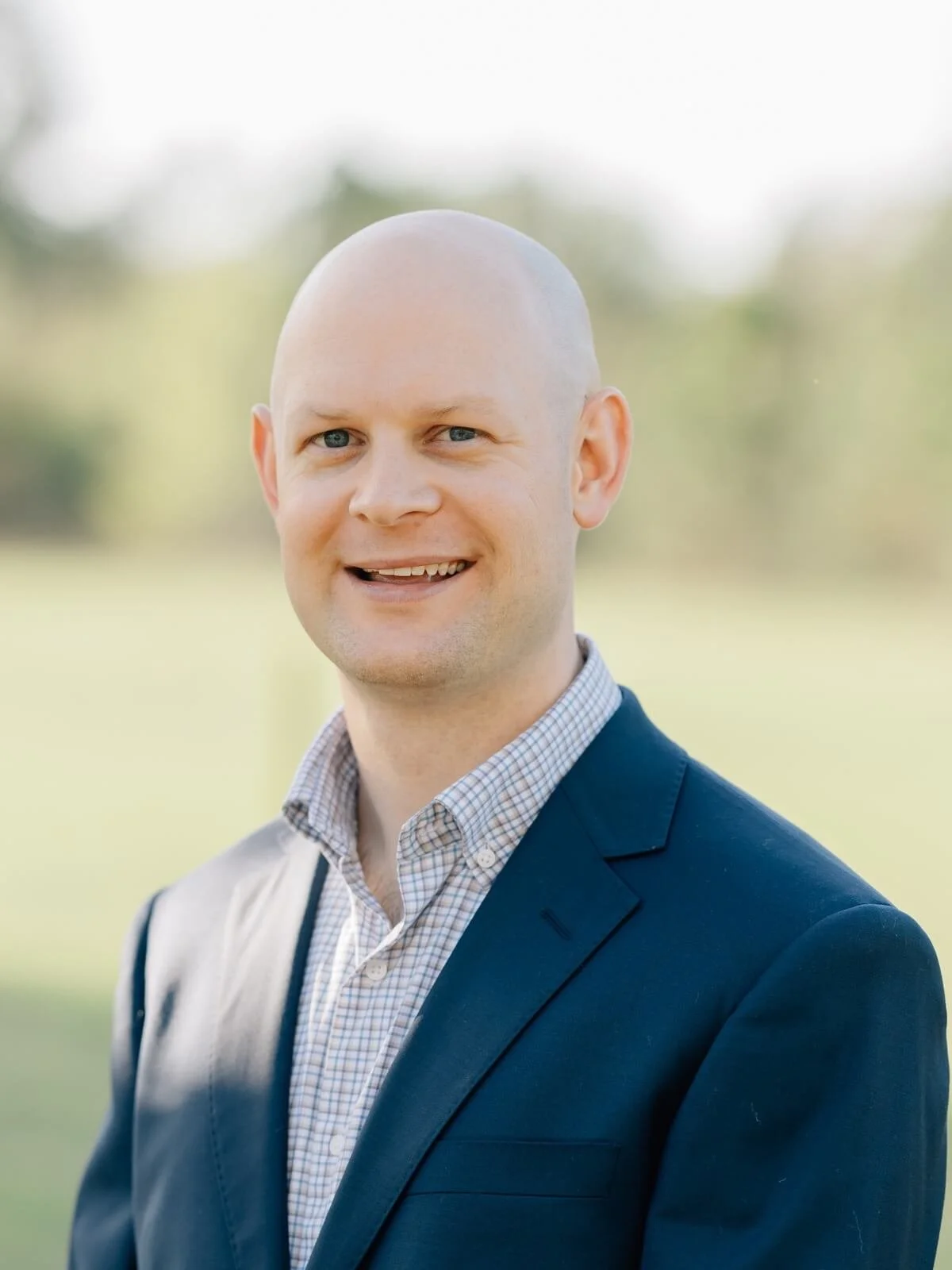
About The Author
Tyler Day, CFP®, CSLP® is the founder of Wellspring Financial, a fee-only fiduciary wealth management firm based in Alma, Georgia. Growing up on a rural family farm taught Tyler that wealth isn’t just about numbers—it’s about faithful stewardship, hard work, and protecting your family’s legacy.
Today, he helps South Georgia families, educators, and business owners navigate their financial lives with complete clarity and zero judgment. When he's not building financial plans, you can find him outdoors or spending time with his wife, Sarah Kate, and their son, Oscar.
Ready to clear the air about your finances?
You don't need to have it all figured out, and you don't need to organize your budget before we talk. Schedule a free, 15-minute Discovery Call to see how a custom financial roadmap can help you build wealth with confidence.
Wellspring Financial is a trade name of Day Financial Group, LLC, a registered investment adviser in the State of Georgia. Registration does not imply a certain level of skill or training. The information contained in this article is provided for educational and informational purposes only and should not be construed as personalized financial, investment, tax, or legal advice. Any strategies, concepts, or investments discussed may not be suitable for all individuals. All investing involves risk, including the potential loss of principal, and there is no guarantee that any specific strategy will yield positive results. Every individual's financial situation is unique. Readers are strongly encouraged to consult with their own qualified financial advisor, tax professional, or legal counsel before making any financial decisions or implementing any strategies discussed herein. Insurance product guarantees are subject to the claims-paying ability of the issuing insurance company. Please consult with a licensed insurance agent regarding your specific coverage needs. Links to third-party websites are provided for convenience and informational purposes only. We do not endorse, take responsibility for, or exercise control over the content, accuracy, or privacy practices of third-party sites.
