
Retirement Planning: A Comprehensive Guide for South Georgia Families
Navigating retirement planning in South Georgia? Discover expert strategies for high-earning families, ensuring your wealth aligns with your values and legacy.
Key Moments

Retirement planning for families and business owners in South Georgia is not only about a distant date when work stops. It is about building a clear roadmap, so your money supports your faith, your family, your land, and your community through every season of life.
For high earning young families and professionals, retirement planning often sits beside a long list of other priorities. You might be growing your career, raising children, paying on a mortgage, and funding college savings at the same time. Retirement planning in this stage means:
Organizing scattered accounts, such as old workplace plans and investment accounts that have built up over time.
Coordinating tax strategies, so your saving and investing does not create unnecessary tax drag.
Balancing short term goals with long term wealth, so you can enjoy life with your family now and still build a solid retirement foundation.
Agricultural families and generational landowners face a different kind of complexity. Most of your wealth may sit in land, timber, and equipment. Cash flow can fluctuate with markets and harvests. In this context, retirement planning means:
Protecting the family legacy, so the land passes smoothly to the next generation.
Creating income from illiquid assets, so you can retire with confidence without being forced into a rushed sale.
Planning for “fair versus equal” inheritances, so you care for all your children and keep the family relationships intact.
Established small business owners carry another set of concerns. Much of your net worth may be tied up in your company, and your time is pulled toward operations, not spreadsheets. Retirement planning for you typically includes:
Designing an exit strategy, so you know how and when you will step back from the business.
Converting business value into personal retirement income, through a sale, buyout, or gradual transition plan.
Delegating wealth management, so your personal finances receive the same attention and discipline that you give your business.
Retirement planning is comprehensive stewardship. It pulls together career growth, education funding, legacy protection, business succession, and wealth consolidation into one coordinated plan. For many South Georgia families, that includes working with a fee-only fiduciary who understands local realities and can help you align every financial decision with your long term calling.
If you want a deeper foundation before building your retirement plan, you may find our guide on financial planning strategies for families in 2026 helpful.
Setting Clear, Customized Retirement Goals
Before you choose investments or run calculators, you need to answer one key question. What, exactly, are you planning for? Clear retirement goals give you a target, so every dollar has a job that matches your values, not someone else’s idea of success.
1. Define your retirement timing
Retirement does not have to mean a hard stop at a traditional age. For South Georgia families, it often looks more flexible.
High earning professionals may plan for a primary retirement age, with an earlier “work optional” stage where career choices are driven by calling, not income.
Agricultural families may prefer a gradual transition, where one generation steps back from daily operations while still staying involved in decisions.
Small business owners often tie retirement to a sale or buyout timeline, not a date on the calendar.
A practical starting point is to set a target age range for when you want work to become optional, then a second range for when you plan to fully step away.
2. Clarify your lifestyle and family priorities
Your retirement lifestyle sets the budget. Be specific about how you want to live.
Monthly lifestyle spending such as housing, giving, hobbies, travel, and helping children or grandchildren.
Location decisions, whether you plan to stay on the farm, remain in your current town, or move closer to family.
Faith and community engagement, such as increased giving or more time serving at church or local organizations.
For young families, it also helps to coordinate retirement goals with college and other major milestones. A clear household budget can make this easier, and many families find a resource like structured family budgeting guidance helpful at this stage.
3. Define your legacy and business exit intentions
Retirement planning in South Georgia often includes specific legacy decisions.
Legacy to children and grandchildren, including how much you want to pass to heirs versus give during your lifetime.
Land and farm succession, including who will manage the operation and how non-farming heirs will be treated fairly.
Business exit goals, such as a target business value, preferred buyer, and the role you want after a sale.
Write these preferences down in plain language. This creates a foundation for more detailed succession and estate planning later.
4. Account for healthcare and regional realities
Healthcare is a major retirement cost, especially in the years before government benefits begin. Your goals should account for:
Insurance options if you retire before traditional benefit ages.
Long term care preferences, such as staying at home on family land versus moving closer to specialized care.
Regional economic influences in South Georgia, including property taxes, agricultural cycles, and how dependent your income is on local employers or crop prices.
Once these pieces are defined, a fiduciary planner can translate them into specific savings targets, investment strategies, and a retirement income plan that fits your real life, not a generic template. If you are unsure how to start that conversation, you may find our guide on finding a fiduciary financial advisor who aligns with your family helpful.
Comprehensive Asset Management and Consolidation Strategies
Once your retirement goals are clear, the next step is to organize what you already own. For many South Georgia families, that means coordinating a mix of farmland, timber, business interests, retirement accounts, and scattered investment accounts into one clear strategy.
Bringing scattered accounts under one plan
High earning professionals and business owners often have financial pieces spread across multiple institutions. A practical consolidation process usually includes:
Listing every account, such as workplace retirement plans, IRAs, taxable brokerage accounts, bank accounts, and HSAs.
Identifying “orphan” accounts, for example an old employer plan that no one has touched in years.
Deciding where each account should live long term, such as rolling old workplace plans into an IRA, or into a current employer plan if that offers better options.
Aligning investments with one target allocation, so your risk level is based on your household plan, not whatever each institution happened to recommend.
This kind of consolidation reduces duplicated holdings, unnecessary fees, and confusion. It also makes it easier to coordinate with a fee-only fiduciary who can manage your entire picture, not just one slice. Many families find a dedicated wealth management relationship helpful for this stage.
Structuring illiquid assets such as farmland and timber
Agricultural families and timber landowners often have significant value locked up in land. That land may be productive and meaningful, but it can be difficult to convert into retirement income without careful planning. Thoughtful asset management might involve:
Creating a clear ownership structure, such as titling land in a way that supports succession, liability protection, and tax planning.
Segmenting land by purpose, for example, designating some tracts for long term family legacy and others as potential income or sale property.
Coordinating harvest or lease schedules with your retirement income plan, so you know when cash will be available.
Planning potential sales over time, to manage tax brackets and reduce the risk of needing to sell under pressure.
The goal is not to overcomplicate your life. It is to match your land and timber decisions with your retirement timeline, your heirs, and your tax picture.
Balancing liquid and illiquid wealth for flexibility
Retirement goes more smoothly when you have both long term growth assets and accessible reserves. A balanced structure may include:
Liquid reserves, such as cash and short term investments for emergencies and near term expenses.
Tax advantaged accounts, like workplace plans and IRAs, for long term growth.
Illiquid holdings, such as your business, farmland, or timber, managed with clear strategies to produce income or be sold on your terms.
When these pieces are coordinated, you can draw income from multiple sources without taking on unnecessary risk or selling valuable assets at the wrong time.
Using tax aware asset location
Tax efficiency is not only about deductions. It also comes from where you place each type of investment. Thoughtful asset location might follow a framework such as:
Higher tax investments placed in tax deferred or tax exempt accounts, when appropriate.
More tax efficient investments placed in taxable accounts.
Coordinating required distributions from retirement accounts with other income, such as land rents or business payments.
For business owners and landowners, this can be especially important, because large one time payments or harvest years can push income into higher tax brackets. A retirement focused tax strategy can reduce that strain and keep more of your wealth working for your family.
Comprehensive asset management is about clarity and coordination. When someone understands your retirement goals, your land, your business, and your investments, they can help you shape a structure that is tax aware, flexible, and aligned with your values. If you want that kind of partnership, you can explore how a retirement planning relationship might support your family in the years ahead.
Optimizing Tax-Advantaged Retirement Accounts and Investment Portfolios
Once your assets are organized, the next question is simple. Where should new dollars go each month so they work hardest for your retirement? For high earning families, landowners, and business owners in South Georgia, this usually starts with making full use of tax advantaged retirement accounts, then building a disciplined investment strategy around them.
Prioritizing 401(k), IRA, and Roth IRA contributions
Tax advantaged accounts give you three main benefits, tax deferral, potential tax free growth, and automatic structure. A practical contribution framework might look like this:
Workplace plan contributions such as a 401(k) or similar plan, often come first, especially when there is an employer match. Aim for a steady monthly contribution that fits your cash flow.
Traditional IRAs can be useful when you want to reduce taxable income now, subject to eligibility rules and coordination with workplace plans.
Roth IRAs can provide tax free withdrawals in retirement, which can be helpful for future flexibility and managing tax brackets.
Business owner plans such as retirement plans designed for closely held businesses, can allow higher contribution limits and combine personal and business planning.
The right mix depends on your income, business structure, and long term tax outlook. Many families find it helpful to review these choices with a fee-only financial planner who can coordinate both personal and business accounts.
Building a diversified investment portfolio
Inside those accounts, what you own matters as much as how much you contribute. A retirement focused portfolio usually:
Diversifies across thousands of companies, rather than concentrating in a handful of stocks or a single sector.
Includes both stocks and bonds, with the mix tailored to your age, goals, and tolerance for market swings.
Uses broad based funds when appropriate, to keep costs and complexity in check.
Avoids emotional trading, staying aligned with a written investment policy instead of reacting to headlines.
Diversification spreads risk, so a problem in one company or sector does not dictate your retirement. This matters for landowners and business owners whose livelihood is already concentrated in one industry.
Managing risk through life stages
Your investment risk should change as your life changes. A simple life stage framework can help:
Growth stage: High earning young families often lean toward a higher stock allocation, because retirement is distant and income is strong.
Transition stage: As retirement draws closer, you may gradually increase bond and cash holdings, especially in accounts that will fund early retirement years.
Retirement income stage: Once you begin drawing from your accounts, the focus shifts to balancing stable income, inflation protection, and reasonable growth.
Each shift should be intentional, not based on fear or market noise. Many South Georgia families appreciate working with a fiduciary financial advisor who can help them “stay the course” through volatility.
Adjusting for career, family, and business changes
Life rarely follows a straight line, so your retirement strategy should be flexible. Plan to revisit your contributions and investments when you experience events such as:
Career changes, including promotions, job changes, or a spouse returning to or leaving the workforce.
Family milestones, such as a new child, a child starting college, or caring for an aging parent.
Business shifts, such as rapid growth, adding partners, or preparing for a future sale.
Land and farm decisions, such as acquiring new property, placing land into an entity, or planning a sale.
These moments are natural checkpoints. They are chances to adjust savings levels, confirm your investment mix, and review how tax advantaged accounts fit with your broader land and business strategy.
Tax advantaged accounts and a disciplined portfolio give structure to your retirement plan. When you pair steady contributions with thoughtful diversification and periodic adjustments, you create a path that supports your family, your land, and your calling, without having to watch the market every day.
Succession and Legacy Planning for Agricultural Families and Landowners
For agricultural families and landowners in South Georgia, retirement planning is tightly connected to succession and legacy. Your land is not just an investment. It is history, identity, and future income for the next generation. A clear plan protects that legacy and reduces the chances of conflict later.
Addressing the “fair versus equal” inheritance question
One of the hardest parts of planning is deciding what is “fair” when not every child works in the operation. A helpful approach is to:
Clarify roles, identify which heirs are active in the farm or land management and which are not.
Separate ownership from management, decide who will own the land and who will have decision making authority, which may be the same or different people.
Use different asset types, consider leaving operating assets, such as land and equipment, to farming heirs and using life insurance or financial accounts to balance value for non farming heirs.
Put the plan in writing, use clear documents and simple language, so heirs understand your intent.
Fair does not always mean equal. A thoughtful structure can honor the child who stayed to work the farm and still care well for children who built careers elsewhere.
Using mediation style family meetings
Good documents matter, but conversations matter more. A mediation style framework can lower tension and build unity. Consider:
Scheduling a dedicated meeting focused only on the future of the land and your wishes.
Using a neutral facilitator, such as a fiduciary planner or estate attorney, to guide discussion and keep emotions in check.
Setting ground rules, for example, one person speaks at a time, respect every viewpoint, and no decisions are forced in the moment.
Documenting key agreements, then taking those notes back to your planning team to shape the legal and financial structure.
This process takes time, but it can prevent much deeper pain later. If you want structured support, you can explore how a dedicated farm succession planning relationship works for Georgia families.
Preserving business continuity across generations
Succession planning should protect both your retirement and the health of the operation. A continuity focused plan usually includes:
A defined leadership handoff, when and how the next generation will take responsibility for decisions, labor, and lender relationships.
Written operating agreements that cover voting rights, profit distributions, buyout terms, and dispute processes.
Contingency plans for disability or death, including who steps in, how bills get paid, and how operations continue during transition.
Separate personal and business finances, so your retirement needs are clear and not mixed with operating cash flow.
The goal is simple, the farm or land business should be able to run, pay its bills, and support your retirement even when you are no longer at the center of every decision.
Tax implications of transferring land ownership
Land transfers can create significant tax consequences if they are not planned carefully. A tax aware framework might consider:
Timing of transfers, spreading gifts or sales over multiple periods to help manage income brackets and potential transfer taxes.
Choice of entity, using structures such as partnerships or other entities (when appropriate) to hold land, simplify ownership interests, and clarify succession.
Sale versus gift strategies, deciding when to sell land to heirs, when to gift interests, and how to document any “discounted” transfers.
Coordination with other income, such as Social Security, pensions, or retirement account withdrawals, so large land related gains do not cause unexpected tax strain.
These decisions should be coordinated with your tax professional, estate attorney, and financial planner, especially when land values represent a large share of your net worth.
Converting farm equity into sustainable retirement income
For many agricultural families, retirement depends on turning land and farm equity into reliable income without sacrificing the whole operation. Common strategies include:
Structured lease agreements, renting land or facilities to the next generation or outside operators, with clear payment terms and maintenance responsibilities.
Gradual sale strategies, selling specific tracts or partial interests over time, then investing the proceeds in diversified portfolios that support retirement income.
Installment sale agreements, receiving payments over a set period rather than one lump sum, which can smooth cash flow and help with tax management.
Blended income plans, coordinating lease income, retirement accounts, and other investments to provide a stable income stream while preserving key family land.
Stewardship means caring for both your land and your family. When farm equity, tax planning, and inheritance decisions all work together, you can step into retirement with confidence that your land, your relationships, and your values are protected. If you want guidance tailored to your acreage and your family, a conversation with a local farm and timber focused advisor can be a wise next step.
Retirement Planning for Small Business Owners: Exit Strategies and Delegation
As a small business owner in South Georgia, your retirement plan is tightly connected to your company. Your time, energy, and net worth are often wrapped up in serving customers and caring for your employees. A thoughtful exit strategy turns that lifetime of work into a dependable income stream for you and your family.
Designing a clear business exit path
A strong retirement plan for business owners starts with a defined exit path. A practical framework includes:
Clarifying your target role and timing, such as when you want to stop daily operations, how long you are willing to stay on as a consultant, and what “retired” really looks like for you.
Identifying your likely successor, for example a family member, a key employee, a partner, or an outside buyer.
Documenting systems and processes, so the business can run without you handling every relationship and decision.
Establishing a valuation approach, such as using a professional business valuation or an agreed upon formula with partners.
Putting this in writing turns vague intentions into an actionable exit roadmap. It also gives your family and employees more clarity about the future.
Converting business value into personal retirement income
Your business is only part of your retirement plan if it can produce income for you after you step away. That usually means shaping the exit so that value shows up as steady cash flow. Common structures include:
Lump sum sale where you sell the business outright and invest proceeds into a diversified portfolio that supports retirement income.
Installment sale or owner financing where the buyer pays you over a set period, creating predictable monthly or annual payments.
Ongoing profit share or earn out where you receive a percentage of profits for a period of time after transition.
Retained real estate where you keep ownership of the building or land and lease it back to the business as a separate income stream.
The right mix depends on your tax situation, your risk comfort, and how much ongoing involvement you want. A coordinated plan will sync these payments with Social Security, retirement account withdrawals, and your household budget.
Why delegating wealth management protects your time
Most small business owners already work more than a full time job. Trying to manage complex investments and tax planning on top of that often leads to one of two outcomes, neglect or reactive decisions. Delegating wealth management can help you:
Maintain focus on operations and relationships, while a fiduciary planner tracks your retirement progress in the background.
Coordinate personal and business finances, so retirement accounts, company retirement plans, and exit proceeds fit into one integrated strategy.
Reduce emotional decision making, since you have a written plan and a professional sounding board during market swings or business surprises.
Gain clarity on fees and services, especially when you work with a transparent, fee-only planner. You can review a clear schedule of services and costs through resources such as the Wellspring fee-only planning rates page.
Your job is to run the business well. Your planner’s job is to help convert that hard work into long term family security.
Staying engaged in your community while you transition
Many South Georgia business owners are deeply rooted in their churches, schools, and civic organizations. A well designed exit strategy should protect your ability to keep serving locally. That usually means:
Planning your time budget, so you know how your weekly schedule will shift as you step back from operations.
Aligning giving and service goals, such as increased charitable giving or mentoring younger business owners, with your retirement income plan.
Setting boundaries, so you are generous with your time but not drawn back into unpaid full time work at the business after the sale.
When your financial life is structured and delegated, you can retire from everyday operations without retiring from your community. If you want a partner who understands both small business realities and retirement planning, you can learn more about working with a fiduciary financial advisor serving South Georgia families.
Practical Tools and Ongoing Financial Planning Services
Retirement planning is not a one time project. It is an ongoing process that needs structure, simple tools, and a trusted partner keeping watch, so you can stay present with your family and your work.
Tools that help busy families stay organized
You do not need a wall of spreadsheets to stay on track. A practical toolkit usually includes:
A consolidated net worth snapshot, one clear view of your accounts, land, business interests, and debts, updated on a regular basis.
Cash flow and savings schedule, a simple plan that shows what comes in, what goes out, and how much flows to retirement accounts and other goals each month.
Household “vault” for documents, a secure place to store key items, such as wills, account statements, insurance policies, and business or farm agreements.
Automated contributions, scheduled transfers into 401(k)s, IRAs, and brokerage accounts, so progress continues even when life is busy.
These tools are most helpful when someone maintains them for you. That way, you can review your picture in minutes, not hours.
Personalized advice, not generic checklists
Your situation is more complex than a standard worksheet. High earning families, landowners, and business owners benefit from:
One-on-one planning meetings where your advisor reviews goals, tax considerations, and upcoming decisions specific to your household.
Integrated recommendations that coordinate retirement accounts, land strategies, business exits, and estate documents into one plan.
Clear action lists, so after each meeting you know the next steps and who is responsible for each one.
If you want clarity about what it means to receive fiduciary level guidance, you may find our resource on working with a fiduciary financial advisor helpful.
Progress tracking and scenario planning
A strong retirement plan does not guess. It tests. Helpful planning services often include:
Retirement readiness projections, that estimate whether your current saving and investing can support your desired lifestyle at different retirement ages.
“What if” scenarios, such as retiring a few years earlier, selling land in stages, changing business exit terms, or adjusting college support for children.
Risk and stress testing, checking how your plan holds up under lower market returns, higher inflation, or unexpected healthcare costs.
The goal is not to predict the future. It is to understand the tradeoffs in advance, so you can make decisions with calm instead of fear.
Regular reviews that fit real life
Your life in South Georgia changes with seasons, both on the calendar and in your family. A sustainable review rhythm often looks like:
Annual deep dive meetings, to review goals, update your net worth, refresh retirement projections, and adjust savings or investment strategies.
Mid year check ins, shorter conversations focused on tax planning, business developments, or land decisions.
Event based reviews, any time there is a major change such as a job move, land purchase or sale, business transition, inheritance, or significant health event.
These reviews keep your plan aligned with real life, without requiring you to manage every detail alone.
Protecting family time while staying prepared
The best retirement system works quietly in the background. You should be able to:
Spend evenings with your family, not sorting statements at the kitchen table.
Attend ball games, church events, and community meetings, confident that your financial life is organized and monitored.
Delegate complexity, so professionals handle the research, coordination, and paperwork, while you focus on clear decisions.
Your retirement plan should serve your life, not take it over. If you are ready for structured, ongoing guidance that respects your time and your values, you can start a conversation through the Wellspring discovery call page and see what a long term planning relationship could look like for your family.
About The Author
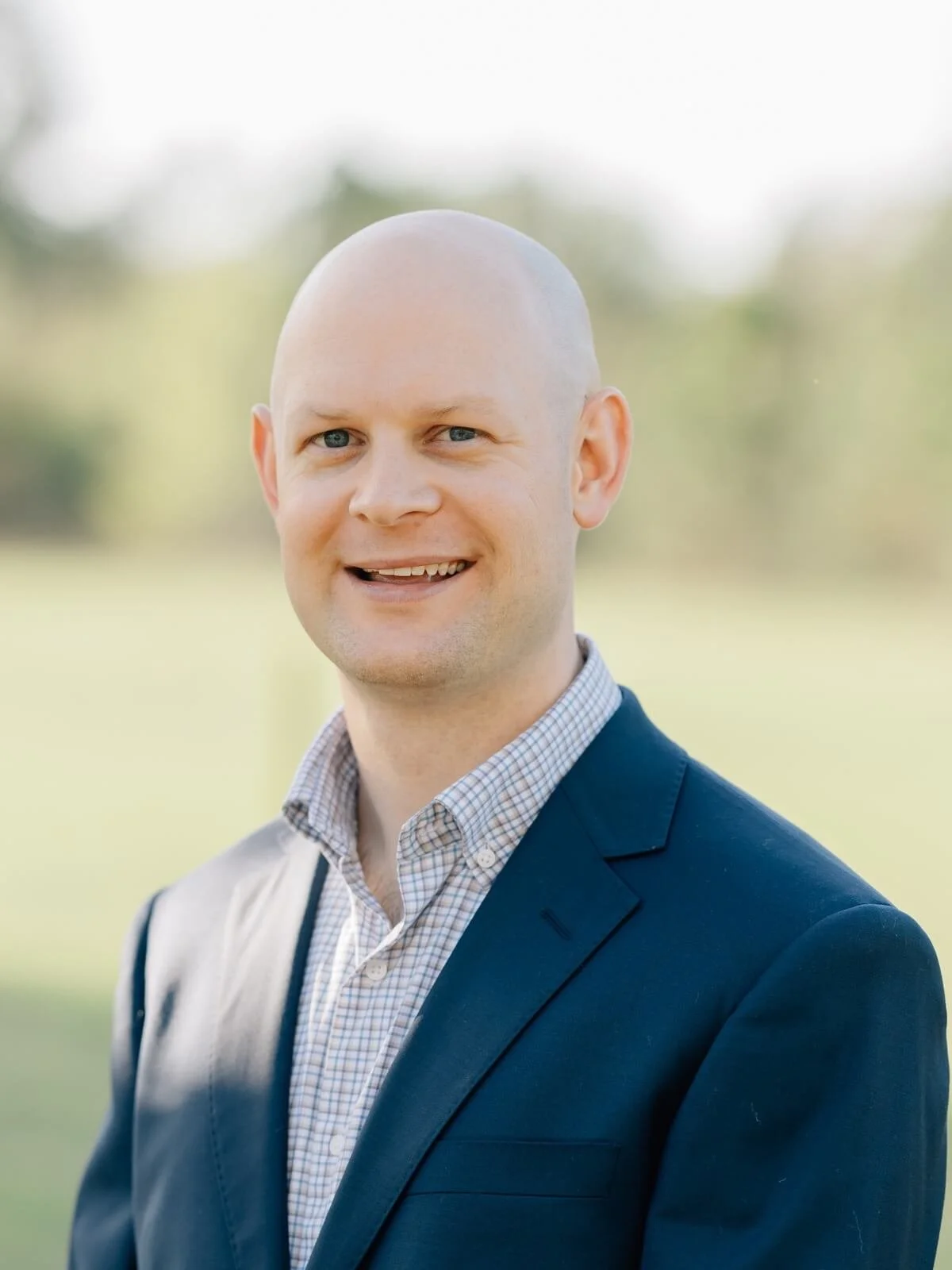
Tyler Day, CFP®, CSLP® is the founder of Wellspring Financial, a fee-only fiduciary wealth management firm based in Alma, Georgia. Growing up on a rural family farm taught Tyler that wealth isn’t just about numbers—it’s about faithful stewardship, hard work, and protecting your family’s legacy.
Today, he helps South Georgia families, educators, and business owners navigate their financial lives with complete clarity and zero judgment. When he's not building financial plans, you can find him outdoors or spending time with his wife, Sarah Kate, and their son, Oscar.
Ready to clear the air about your finances?
You don't need to have it all figured out, and you don't need to organize your budget before we talk. Schedule a free, 15-minute Discovery Call to see how a custom financial roadmap can help you build wealth with confidence.
Wellspring Financial is a trade name of Day Financial Group, LLC, a registered investment adviser in the State of Georgia. Registration does not imply a certain level of skill or training. The information contained in this article is provided for educational and informational purposes only and should not be construed as personalized financial, investment, tax, or legal advice. Any strategies, concepts, or investments discussed may not be suitable for all individuals. All investing involves risk, including the potential loss of principal, and there is no guarantee that any specific strategy will yield positive results. Every individual's financial situation is unique. Readers are strongly encouraged to consult with their own qualified financial advisor, tax professional, or legal counsel before making any financial decisions or implementing any strategies discussed herein. Insurance product guarantees are subject to the claims-paying ability of the issuing insurance company. Please consult with a licensed insurance agent regarding your specific coverage needs. Links to third-party websites are provided for convenience and informational purposes only. We do not endorse, take responsibility for, or exercise control over the content, accuracy, or privacy practices of third-party sites.
